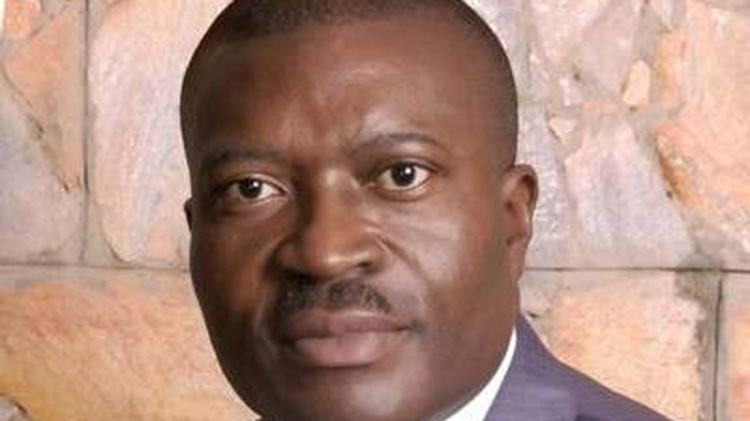
Mr.Isaac Agyeman (Incumbent UG SRC President)
It’s been a year since the University of Ghana’s incumbent SRC executives went through a mass campaign and electoral process to gain the support and trust of the majority of the student population, which ultimately earned them the esteemed offices as leaders of Ghana’s premier university. Many can recall very well that during last year’s election, held in April, the endorsement and other corresponding activities by TESCON-UG had a significant impact on the incumbency of Mr. Isaac Agyemang. Many witnessed the mass campaigning and strategies through which the SRC president came to power. From the vetting committee disqualifying his team for the low points scored during vetting which seems to have affected his office today to him winning the elections, his motto was “Compelling force for action.”
But many can now testify to the poor leadership of Isaac Agyemang and his inability to live up to expectations or compel such “invisible forces for action.” The masses are complaining, and tens of thousands have lost trust his administration.The loss of trust in the SRC among the student population is now at its peak. Had Isaac Agyemang performed well during his vetting, we wouldn’t be facing such hardship in terms of leadership.
During his vetting, most of his policies were debatable, with the most memorable ones being the reduction of the consumer price index on campus which could even be a difficult task for the country’s top economists and the idea of building summer huts at the City Campus. These policies alone should have raised concerns among students. However, TESCON managed to push him there, which to some extent came as a shock to many in the student populace.
It is not wrong for members of an organization to help their members achieve their dreams, but such political organizations should understand that in a situation like at UG, with a student population of 40,000, it is the students who will suffer if things don’t go well. So, who should we blame now the vetting committee, TESCON-UG, or Isaac Agyemang?
A couple of days ago, a news article published on UniverseNewsroom indicated that two charges had been leveled against the SRC president, Mr. Isaac Agyemang. Moreover, the student body was supposed to decide the fate of the incumbent president on 24th May, 2020. Unfortunately, it never happened. Just this morning, another article published by UniverseNewsroom indicated that Mr. Isaac Agyemang had been granted a stay of execution, which aims at delaying the carrying out of court orders or decisions by the assembly.
This is the second time the Dean of Student Affairs has overruled the decisions of the General Assembly, with the first being the incumbent GA Assembly Speaker, Mr. Emmanuel Ampem, whose elections were questionable and could have required the annulment of results in October 2019. That stay, which could have lasted only 3 days, is now almost 7 months old.
Moreover, the Dean of Student Affairs, Prof. Godfred Bopkin’s direct influence on student leadership, politics, and the activities of the General Assembly on UG campus is quite questionable, as is the influence of political wings in campus politics. As previously mentioned, there is nothing wrong with organizations trying to push their members to the top, but they should prioritize producing viable and competent leaders who are inclined to serve students, rather than their political associates.
Correspondingly, students should be free from nefarious methods of choosing student leaders and always make an effort to evaluate likely competency before electing leaders.
Additionally, students do not vote for leaders who will serve authorities; they vote for leaders who will help them tackle the issues they face. External influences on student leadership must be stopped because, if leaders are now becoming mouthpieces for authorities, there is no longer a need for elections. The authorities, or those who externally influence student leaders or activities, can simply appoint whomever they like to take over and work for them.
All students or youths today should be motivated by the fact that the betterment of the nation tomorrow will depend on their efficiency as youths today. So, let all students say “No” to political and external influences on student politics or leadership, especially in circumstances where competence is disregarded.